

You can follow our portfolio and take advantage of it. Our portfolio is not a buy recommendation.

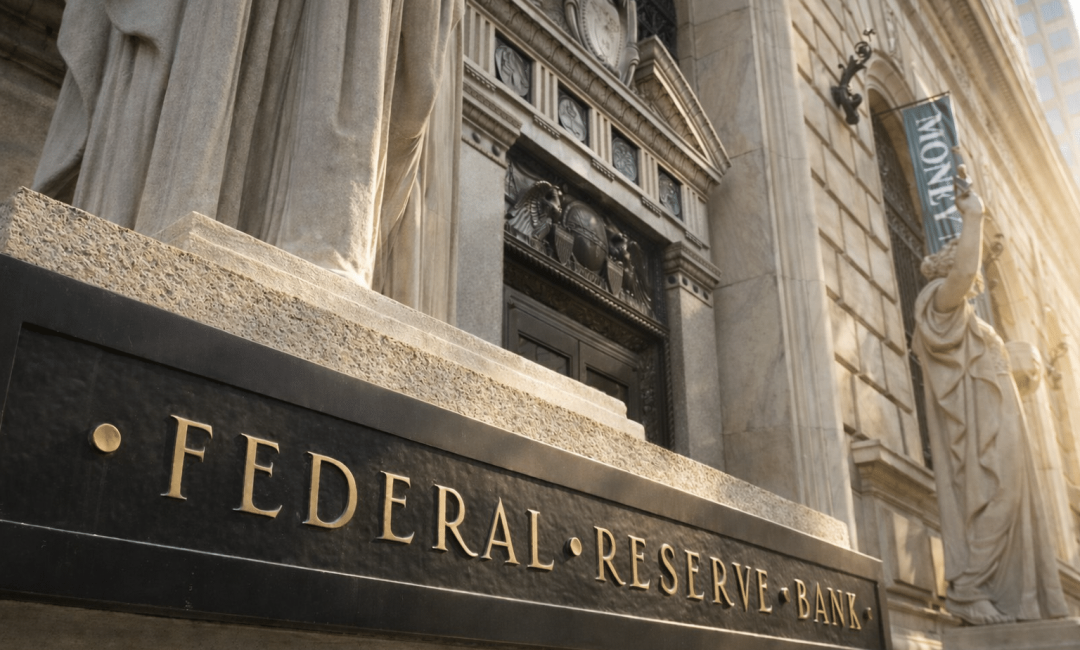
The calm before a new interest rate era?

FED

Read all articles today

Get this and all other analyses & updates today when you subscribe to Shares Under Ten.

1 month
£20.99 /month

Most populair

12 months
£16.99 /month

Best value

24 months
£13.99 /month

See also

Analyses

A Bank in Recovery

Since taking office in August 2023, Vanquis Banking Group CEO Ian McLaughlin inherited anything but a clean slate. Years of high costs, ongoing legal disputes, and strategic missteps had left deep scars. What followed was not a cautious adjustment, but a hard reset. He aggressively cut the cost base, dealt with legacy issues from the past, and did not shy away from painful decisions that had previously been postponed. Where the engine had once been sputtering beneath the surface, the company is now clearly cleaning house. Not without difficulty, but with a clear message: this is a bank that is no longer managing its problems, but solving them. We already had this stock on our radar, but wanted to wait for the first-quarter results, as these would be decisive for the future share price direction. The results positively surprised us across the board. Perhaps even more important than the quarterly figures themselves is the fact that Vanquis maintained its full-year outlook. The bank still expects: further growth of the loan portfolio towards more than £3.3 billion a low double-digit return on tangible equity further improvement in the cost-income ratio However, the market does not yet seem to recognize this and is still pricing in a scenario as if the recovery is not sustainable. Sharesunderten is taking advantage of this opportunity and is opening a position. We are buying 1,500 shares. Chaos For years, Vanquis found itself in a state of chaos, with problems piling up. The bank was flooded with claims from customers alleging that loans had been irresponsibly issued, often driven by claims management companies. The legal pressure became so intense that more than £130 million in exceptional charges had to be taken in 2024. At the same time, the cost base had spiraled out of control. With a cost-income ratio approaching 90%, nearly every pound of revenue was being absorbed by inefficiencies, IT issues, and a bloated organization. On top of that came weak profitability. In 2024, the bank still reported a loss of £138 million, while return on equity was deeply negative. The underlying issue was not only costs, but also risk management. The loan portfolio experienced relatively high losses and came under increasing pressure from regulators, further fueling the stream of claims. What emerged was a vicious cycle in which poor credit quality led to claims, claims led to higher costs, and higher costs led to even weaker results. The situation was worsened by a lack of strategic focus. Growth was pursued without sufficient discipline, legacy operations remained in place for too long, and clear decisions were continuously postponed. For investors, this resulted in a loss of confidence. Profile Vanquis Banking Group is not a traditional bank, but a specialist lender focused on consumers who struggle to access financing through mainstream banks. The core of its business model lies in providing credit, particularly through credit cards, to customers with weaker or limited credit histories. This segment, often referred to as non-standard or near-prime, offers higher margins but also requires stricter risk management. In addition to credit cards, the company is active in vehicle finance through its Moneybarn brand, primarily financing used cars. Vanquis also has a rapidly growing second-charge mortgage division, allowing customers to borrow against the equity in their homes. On the funding side, the bank operates its own savings platform, attracting retail deposits that provide a relatively stable and low-cost funding source for the loan portfolio. In addition, Vanquis is investing in digitalization and customer engagement through Snoop, a fintech app that uses open banking technology to help customers gain insight into their spending and save money. With this, the bank aims not only to provide credit, but also to play a broader role in the financial lives of its customers. Results In the first quarter of 2026, Vanquis Banking Group demonstrated that last year’s recovery is continuing. Gross interest-earning receivables increased by 4% to £2.93 billion. On an annual basis, growth reached 27%. Net receivables also rose by 4% to £2.80 billion. Credit card operations in particular continue to perform strongly and have now delivered growth for the fourth consecutive quarter, supported by higher credit limit utilization, strong customer retention, and continued inflow of new customers. In addition, the second-charge mortgage division continued to grow towards approximately £680 million. The net interest margin declined from 16.1% to 15.6%, but this fully aligns with management’s strategy. Vanquis is deliberately shifting toward lower-risk products that also generate lower interest income. More importantly, in our view, the risk-adjusted margin remained stable at 9.4%. This demonstrates that the balance between return and risk remains healthy, and that the lower margins are largely offset by improved credit quality and a lower cost of risk. Operational progress also remains visible. Management stated that Vanquis was once again profitable in the first quarter and remains on track to achieve a low double-digit return on tangible equity in 2026. At the same time, the company continues to focus heavily on improving efficiency. Through the Gateway transformation program, Vanquis expects to achieve an additional £23 million to £28 million in cost savings during 2026 and 2027, supported by further automation, AI-driven customer service, and a more modern technology platform. Despite strong growth, the balance sheet remains solid. The CET1 ratio stood at 15.9%, slightly lower than at the end of 2025 as capital is actively being deployed to support further loan portfolio growth. Nevertheless, Vanquis still maintains substantial buffers above required capital levels, keeping the balance sheet robust while allowing room for continued growth. Forecasts While 2024 and also 2025 were still dominated by write-downs, settlements, and legal costs, these burdens are now expected to be largely behind the company. Revenue is expected to grow steadily, in line with management’s vision of pursuing growth without compromising risk discipline. Significant cost reductions have been implemented in recent years, which is reflected in strongly rising EBITDA and net profit. Earnings per share are following the same trend. As profitability improves, dividend payments are


Read More >
Updates

The hope for peace gives way to new uncertainty

First of all, we would like to emphasize that our analysts continue to closely monitor the stocks in our portfolio at all times. We keep our radar on 24/7. Every week we provide updates, but whenever unexpected news emerges or another important event occurs, we will immediately respond with Breaking News updates. At the moment, we remain satisfied with all the stocks in the portfolio and continue to monitor developments closely. It was another volatile week on the stock markets, with hope and uncertainty alternating rapidly. Monday started nervously as tensions between the United States and Iran escalated, combined with ongoing unrest surrounding the Strait of Hormuz, a crucial route for global oil trade. This immediately caused investors to become more cautious and increased volatility across the markets. Wednesday turned out to be the strongest trading day of the week. Reports suggesting that the US and Iran were close to reaching an agreement pushed markets toward record highs. Strong results from semiconductor companies and continued optimism surrounding artificial intelligence further supported market sentiment. That relief, however, proved short-lived. Later in the week, tensions escalated once again after President Trump increased pressure on Iran and new incidents occurred around the Strait of Hormuz. As a result, sentiment turned negative again on Thursday and Friday, putting pressure back on the stock markets. Nevertheless, it was notable that oil prices ultimately declined significantly on a weekly basis. Investors increasingly appear to believe that both parties have a strong interest in keeping the strait open and avoiding further escalation. Iran did respond to an American peace proposal, although no concrete details were released. US President Donald Trump called Iran’s response to the American proposal to end the conflict “totally unacceptable” on Sunday evening. According to the Iranian news agency Irna, Tehran wants to continue negotiations with the United States in order to end the conflict, but intends to postpone topics such as Iran’s nuclear ambitions until a later stage. At the moment, a ceasefire between the US and Iran remains in place, although both sides continue to test the agreement almost daily. Meanwhile, oil prices have started to rise again. The coming week will mainly revolve around US inflation data and the question of whether the Federal Reserve will need to keep interest rates higher for longer. Tuesday will be the most important moment, with the release of the CPI figures. Wednesday will follow with the PPI data, providing more insight into cost pressures for businesses and possible pressure on profit margins. Looking ahead, geopolitics will likely remain the dominant market driver for the time being. Market sentiment can currently shift rapidly due to news from the Middle East, leaving investors highly alert to new developments. Meanwhile, behind the scenes we are working hard on an analysis of a new stock for the portfolio. It concerns a banking stock where everything seemed to be going wrong just a few years ago, with excessive risks and major doubts from the market. However, a new CEO is now at the helm and the company appears to have regained control of the business. The latest results were certainly remarkably strong. So keep a close eye on your inbox. Brunel Brunel released an update last week that we view as cautiously positive. At first glance, the figures looked mixed, with revenue declining by 4% and EBIT coming in lower. However, beneath the surface we actually see several signals suggesting that the worst may now be behind the company. Most importantly, we are seeing a return to organic growth. Revenue increased organically by 1%, mainly driven by strong performances in the DACH region and stable developments in Australasia and the Americas. Underlying EBIT also improved organically by 5%, while margins remained stable at 2.7%. This shows that the cost-saving measures are beginning to take effect and that the operational foundation is gradually improving. In addition, management sounded noticeably more optimistic than in previous quarters. CEO Peter de Laat spoke about “encouraging” early signs of recovery and expects this trend to continue cautiously in the coming period. At the same time, Brunel remains realistic about the risks, particularly due to geopolitical tensions in the Middle East, where the company has significant exposure. For us, little changes in the broader investment case. Brunel remains active in attractive niches such as energy, engineering and infrastructure, sectors that are likely to benefit from structural investment trends over the longer term. While the stock may continue to move alongside broader economic uncertainty in the short term, we remain confident in the long-term outlook and continue to be highly positive about the company’s long-term potential. BP Oil and gas company BP has remained resilient in recent weeks, partly supported by higher oil prices and geopolitical tensions in the Middle East. The stock is now trading clearly higher than earlier this year, but precisely in this uncertain market environment we still view BP as an attractive hedge within the portfolio. At the same time, the company is working behind the scenes on a major restructuring. The new CEO, Meg O’Neill, is clearly taking a different approach from her predecessor and is steering BP back toward its core oil and gas activities. The organizational structure is being simplified, thousands of jobs are being cut, and the focus is once again shifting toward cost reductions, cash flow generation and returns. Several activities are also being sold or phased out, including parts of its North Sea operations and the gas station business in the Netherlands. Although this creates some short-term uncertainty, we believe BP is trying to become more efficient and profitable in a sector where scale, low costs and strong cash flows remain crucial. Recent quarterly results also showed that the company continues to benefit significantly from higher energy prices and geopolitical tensions. Naturally, BP remains highly dependent on oil prices and sentiment surrounding the Middle East. However, in the current market environment this is also one of the reasons why we continue to find the stock

Read More >
Updates

Markets stay resilient despite geopolitical tensions and rate pressure

Last week was once again a volatile one. The market started cautiously but rebounded on Thursday following a series of earnings releases and central bank decisions. Both the ECB and the Bank of England left interest rates unchanged, but it was mainly the tone from the ECB that stood out. Concerns are increasingly shifting toward economic growth, while inflation is rising again to 3.0%. This places the ECB in a difficult position, where a rate hike later this spring is becoming more realistic. Over the weekend, focus shifted back entirely to geopolitics. Iran sent a fourteen-point plan to the United States as a basis for new negotiations. This involves a phased approach, starting with agreements on the Strait of Hormuz and a ceasefire, followed by discussions on the nuclear program. The response from the U.S. was less reassuring. Trump stated he would review the proposal but also made it clear that he is unlikely to find it sufficient and does not rule out new airstrikes. As a result, the risk of escalation remains clearly present, despite renewed diplomatic efforts on paper. For the market, this means the familiar pattern remains intact. Hope for negotiations provides relief, but strong rhetoric from both sides keeps uncertainty elevated. Given the strategic importance of the Strait of Hormuz, any developments continue to directly impact oil prices and overall sentiment. Looking ahead, it will be an interesting week. In the U.S., we will receive key labor market data, including JOLTS and later the non-farm payrolls, along with wage growth and unemployment figures. These data points are crucial for the Fed’s interest rate path. In the UK, a speech from the Bank of England is also scheduled. Overall, the picture remains unchanged. The market is holding up well but continues to operate in an environment where geopolitics and macroeconomic data can quickly alternate as the dominant driver. This keeps volatility present, even within an upward trend. Additionally, it promises to be a busy week with many earnings reports. Within our portfolio, Grab Holdings reported better-than-expected results last night. We are pleased with this and it confirms our decision to recently double our position. Brunel will report its results this Friday. Following encouraging results from peers, we expect a positive signal here as well. Many companies also pay dividends during this period, with Deceuninck going ex-dividend today. Banijay Last week, we added Banijay to the portfolio. In our view, it is a stock that is still underappreciated by the market. The company combines two strong growth pillars: a global content machine with well-known formats and a fast-growing gaming division with high margins. What makes Banijay particularly interesting is the combination of strong cash flows, expanding margins, and a relatively low valuation. Despite solid performance, the stock trades at multiples more typical of a value stock than a growth company. Additionally, the dividend provides an attractive extra return, while cash flow leaves room for further debt reduction and growth. Sharesunderten sees Banijay as a stock with both price appreciation and dividend potential. As the market begins to better understand this story and liquidity improves, we expect a clear re-rating of the stock. Grab Holdings There was news from Indonesia regarding Grab Holdings that initially appeared negative. The government plans to reduce the maximum commission companies can charge on rides via their platform from 20% to below 10%. While this may seem negative at first glance, Grab indicated in its recent earnings update that there are multiple levers it can pull. This does not necessarily mean total revenue per ride will be halved. The company also reported strong results. In the first quarter, revenue grew by 24% to $955 million, while the number of active users increased by 16% to 51.6 million. Transaction volume also rose by 24% to $6.1 billion, demonstrating broad platform growth. Profitability is also clearly improving. Grab reported net income of $120 million, partly supported by a one-off revaluation of financial positions. More importantly, underlying profitability is improving strongly. EBITDA rose by 46% to $154 million, and margins are expanding, indicating increasing operational leverage. For us, the broader picture remains unchanged. Grab benefits from multiple growth drivers, such as deliveries and financial services, both of which are growing strongly. We are satisfied with these results. It appears Grab is gaining traction in the market and adapting well to regulation. This confirms our decision to recently increase our position. ME Group ME Group held its annual general meeting, where several key points were confirmed. A final dividend of 4.79 pence was approved, bringing the total dividend for 2025 to 8.64 pence per share, representing an increase of 9.5%. The annual accounts and remuneration report were approved, and the composition of the board remained unchanged. Management was also granted continued flexibility to issue shares and allocate capital. Notably, the company expressed its intention to launch a share buyback program of £15 to £20 million. This highlights management’s confidence in cash flow and the underlying value of the company. The AGM reinforces the strong fundamentals of ME Group. The combination of growth and a dividend yield of around 6%, which is relatively high, may indicate that the stock is significantly undervalued. This makes the stock, in Sharesunderten’s view, still highly attractive. BP BP reported strong first-quarter results. The British energy giant clearly benefited from higher oil prices, with underlying profit more than doubling. Profit rose from $1.54 billion in the previous quarter to $3.2 billion, significantly exceeding analyst expectations of $2.67 billion. The division responsible for oil trading and fuel sales performed particularly well, with quarterly profit reaching $2.5 billion compared to $1.4 billion previously. Cash flow also remained strong, with operating cash flow at $2.9 billion. Net debt stood at $25.3 billion, but BP remains committed to reducing this to between $14 and $18 billion by the end of 2027. This shows that the company is maintaining a focus on balance sheet strength alongside growth. Shareholders continue to be rewarded. BP is paying a dividend of

Read More >
Updates

Driven by sentiment, while uncertainty persists

Once again, it was a week in which sentiment dominated the markets. This is clearly reflected in the portfolio. Movements are rapid and often driven not by fundamental changes, but by expectations, headlines and geopolitics. In such an environment, it is essential to remain focused on the quality of the underlying businesses. Share prices may correct, but that does not necessarily reflect the intrinsic value of a company. Much of the ongoing uncertainty continues to stem from developments in the Middle East. Where there had previously been hopes of renewed dialogue between the United States and Iran, that scenario now appears increasingly unlikely. Talks failed to materialise over the weekend, and even indirect negotiations did not take place. As a result, the situation remains firmly at an impasse. This is highly relevant for financial markets, as the consequences are immediately tangible. The Strait of Hormuz remains a critical factor, and as long as stability is absent, upward pressure on oil prices is likely to persist. This feeds into inflation expectations and complicates the task for central banks. The likelihood of a near-term de-escalation appears limited, meaning this will remain a key source of volatility. At the same time, earnings season is in full swing. Over the coming weeks, a steady flow of results is expected, including from companies within our portfolio. BP will report its first-quarter results tomorrow. Of particular importance will be management’s outlook on the situation surrounding the Strait of Hormuz. The market currently views BP as a potential beneficiary, but it is crucial to understand how management itself assesses these developments. On the macro front, it will also be a busy week. The Federal Reserve’s interest rate decision is scheduled for Wednesday, followed by the Bank of England and the European Central Bank on Thursday. While rates are expected to remain unchanged, the tone and forward guidance will be equally important. In addition, US growth data and inflation indicators such as core PCE will provide further direction for monetary policy. Overall, the picture remains unchanged. Markets are being driven by sentiment, while underlying uncertainty persists. This calls for discipline and a continued focus on the long term. Periods like these often lay the foundation for future returns. Envipco Envipco introduced some uncertainty last week by postponing the publication of its annual report. While the results were initially expected by 30 April at the latest, this has now been delayed until approximately 15 May. Notably, the company has not provided a clear explanation for the postponement. At the same time, Envipco indicated that no changes are expected compared to the previously published, unaudited figures. From a fundamental perspective, little has changed, but the lack of clarity does create some noise in the market. It is also relevant to look at peer company Tomra. Its results were mixed overall, but the Collection segment, which includes deposit return systems, delivered strong growth, with revenue increasing by 12% to €208 million, and 15% when adjusted for currency effects. This is particularly relevant as it is the exact market in which Envipco operates. It confirms that underlying demand for deposit return solutions remains strong and continues to grow structurally, driven by regulation and further system rollouts. On balance, little has changed in our view. The delay is not ideal and raises questions, but the sector dynamics remain positive. Sharesunderten therefore remains constructive, with a focus on the final results and further commentary from management. Rolls-Royce Rolls-Royce came under pressure last week due to a combination of geopolitical developments and sector sentiment. Rising tensions between the United States and Iran pushed oil prices higher, with Brent approaching $100. This has a direct impact on the aviation sector. For airlines, higher fuel costs translate into margin pressure, often leading to capacity adjustments. This is already becoming visible. Airlines such as Lufthansa have reduced flight schedules due to the situation in the Middle East. Fewer flight hours directly reduce demand for maintenance services, which is a key driver of Rolls-Royce’s business model. Approximately half of the company’s revenue is derived from civil aviation, with a significant portion based on so-called “power-by-the-hour” service contracts. As a result, fewer flight hours have a direct impact on revenue and profitability. Additionally, there was further negative sentiment from within the sector. GE Aerospace lowered its growth expectations for global flight activity in 2026, which weighed on sentiment across the engine manufacturing industry. These factors are largely short-term in nature and do not reflect the company’s long-term potential, but they do create near-term pressure. While this highlights the company’s sensitivity to macroeconomic and geopolitical developments, Sharesunderten continues to see significant long-term potential and maintains a strong position in the stock. Grafton Group At Grafton Group, last week’s movements were primarily technical and capital-driven. The stock went ex-dividend on 23 April, with the final dividend for 2025 of 27 pence per share being detached. As is typical, this resulted in an automatic downward adjustment in the share price, independent of underlying performance. The actual dividend payment will be made on 21 May. At the same time, Grafton continues to return capital to shareholders through share buybacks. In early March, the company launched a new programme of up to £25 million, and additional shares were repurchased last week. Approximately 75,000 shares were bought on 21 April at around 952 pence, followed by further purchases on 23 April. These shares are subsequently cancelled. This underlines management’s confidence in the company’s valuation and its strong cash flow position. From our perspective, the investment case remains unchanged. Grafton continues to be a stable operator, deploying capital in a disciplined manner and rewarding shareholders through multiple channels.

Read More >
Funds

Volatility keeps markets moving, underlying trend remains strong

Last week started on a tense note after negotiations between the US and Iran broke down and an American blockade was announced. As often happens, markets reacted immediately: oil prices rose and investors became visibly more cautious. However, that initial shock did not last long. Statements from Trump about renewed contact with Iran and signals that Tehran might be willing to make concessions quickly restored some confidence. That pattern defined the entire week. The underlying situation barely changed, but sentiment moved लगातार based on news flow and expectations. Toward the end of the week, another key development followed when Iran announced it would temporarily reopen the Strait of Hormuz. This directly supported markets: oil prices declined and equities moved higher, with indices approaching record levels. At the same time, it is clear the situation is far from resolved. On April 8, the US and Iran agreed to a two-week ceasefire, and that deadline expires this week, around Wednesday. This makes the coming days crucial. Either there will be an extension or further de-escalation, or tensions could quickly rise again. That uncertainty remains a clear overhang on the market. Meanwhile, earnings season has also begun. Our positions are not reporting yet, but that does not make it any less relevant. Results from competitors provide valuable insight into how sectors are performing. The first reports, particularly from US banks, are shaping broader sentiment and may drive additional movement in individual stocks in the coming weeks. Looking ahead, attention this week will partly shift to macroeconomic data. In the UK, inflation and retail sales figures will offer insight, while PMI data in Europe and the UK will provide an early indication of economic activity. In the United States, the focus once again turns to the consumer, with data expected to show how strong demand remains. Still, as in recent weeks, geopolitics remains the dominant factor. Markets are trading strongly and moving toward record levels, but remain highly sensitive to any new developments from the Middle East. This creates a market with opportunities, but where vigilance remains essential. Kudelski Last week, Kudelski held its annual general meeting. During the meeting, all proposals from the board were approved by a large majority. This means shareholders approved the 2025 annual report and financial statements, the consolidated group figures, the profit allocation, and the non-financial report. The compensation report and the discharge of both the board and management were also approved. In addition, nearly all board members were reappointed for a new one-year term. Attendance was around 65% of the share capital, indicating a reasonable level of shareholder engagement. The outcome of the meeting shows broad support for the current strategy and management direction. Business as usual. Sharesunderten continues to expect strong performance from this stock. Brunel The sector remains mixed, underlining Brunel’s cyclical nature. Peer company PageGroup reported a 4.9% decline in gross profit due to persistently weak demand, particularly in Europe. Employers remain cautious, especially in France and the UK, while the US and parts of Asia are more stable. The Dutch staffing market also remains weak. The number of hours worked fell by 5%, although revenue still increased by 4%. Administrative sectors are under the most pressure, while industry remains relatively stable. The technical sector, where Brunel operates, is seeing a decline in hours and a slight drop in revenue. Overall, the market is still in a weak phase. At the same time, the bigger picture remains intact. Brunel is well positioned in niches that tend to recover first once economic conditions improve. The question is when that turning point will occur. Once the market recovers, we expect Brunel to outperform. Sharesunderten therefore remains positive and maintains its buy rating. Auction Technology Group This stock reported a solid trading update for the first half of the fiscal year. Revenue grew by approximately 8% to around $125 million, driven by strong performance in Arts & Antiques and continued platform growth, including the atgShip delivery service. Margins remained stable, and the leverage ratio declined further to 1.8x, strengthening the financial position. Management also reaffirmed its 2026 outlook, targeting mid-single-digit revenue growth, solid margins, and strong cash flow generation. At the same time, there were additional developments in the background. The share price has recently been influenced by renewed takeover speculation. Although major shareholder FitzWalter Capital previously withdrew its bid, the market continues to speculate about a new offer or interest from other parties. The strong price movement in mid-April indicates clear speculative buying pressure. Sharesunderten remains enthusiastic. After a price increase of nearly 18% in one week, the position is now approximately 31% in profit. However, our price target of 480 pence has not yet been reached, so we are choosing to hold the stock. Grab Holdings Sentiment around Grab Holdings remains positive. Analysts continue to maintain higher price targets and are enthusiastic about the underlying growth story, a view we fully share. The share price has declined recently, reducing its weighting in the portfolio. We see this as an opportunity. Fundamentally, little has changed. Growth is accelerating and profitability is improving, while the upside potential remains significant. For that reason, we have decided to increase the position by 300 shares. This allows us to capitalize on the current weakness in the share price and restore the weighting to the desired level. Sharesunderten therefore remains positive and views the recent pullback as an attractive buying opportunity.

Read More >